

Vietnamese oil painting: A journey through history and artistic value
What is oil painting? Oil painting is a classic artistic medium with a rich history and a significant place in global art. In Vietnam, oil painting stands out for harmoniously blending Western techniques with local cultural identity. Each piece presents a unique artistic perspective, fulfilling both decorative and collectible purposes.
History and development of oil painting
Oil painting emerged in Europe in the 15th century and rapidly became a favored medium due to its lasting durability, vivid colors, and capacity for depicting depth. With time, techniques such as applying multiple layers of paint were refined, resulting in enduring artworks celebrated for their artistic merit.
In Vietnam, oil painting began its journey in 1925 with the founding of the Indochina College of Fine Arts. Vietnamese artists adopted Western methods, later integrating traditional motifs and cultural values, resulting in a distinctly Vietnamese style.
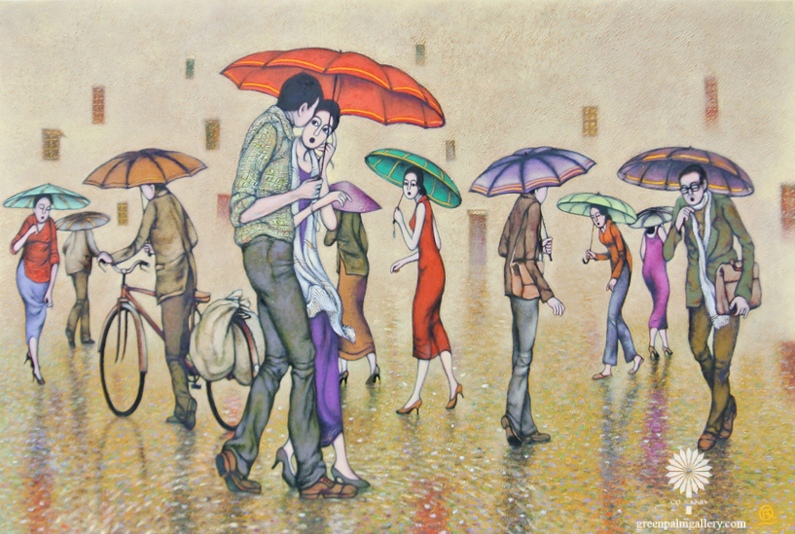 The art of oil painting flourished in Europe from the 15th century, shaping many important artistic traditions.
The oil painting process
Each oil painting undergoes a multi-stage creation process, with every step crucial to the work’s quality and longevity.
- Preparing materials and tools: Stretched canvas on wooden frames, oil paints, linseed or turpentine oil, a range of brushes, palette knives, and mixing palettes form the artist’s basic toolkit.
- Sketching the composition: The artist defines shapes, proportions, and overall layout on canvas before applying color.
- Layering color and finishing: Broad areas of color are blocked in first, followed by detailed work with multiple layers to achieve natural depth and tonal richness.
- Protective coating: Once a painting has fully dried, a varnish layer is often applied to safeguard color and add longevity.
- Best practices: Apply thin layers before thicker paint; allow each layer to dry completely before the next; work in ventilated spaces; clean tools after every session.
Popular movements in oil painting
Oil painting has evolved through a variety of influential art movements, each with distinct approaches to color, composition, and technique.
Impressionism
Impressionist artists focus on capturing the fleeting effects of light and color at specific moments. Characterized by lively brushwork, vibrant hues, and dynamic color blending, this style evokes a natural, vivid atmosphere.
Impressionist oil paintings often depict landscapes, nature, and everyday life, making them ideal for living rooms, bedrooms, or contemporary spaces with subtle, modern designs.
Realism
Realism aims to render people and scenery as observed in life, emphasizing clear composition, balanced forms, and meticulous detail. Realist oil paintings seamlessly complement various interiors due to their relatable subject matter. Common themes include portraiture, landscapes, still lifes, and architecture.
Abstract
Abstract art foregoes literal representation, focusing instead on color fields, lines, and shapes to convey ideas and emotion. Each abstract oil painting offers open-ended interpretations, inviting viewers to explore their own perspectives.
These paintings are especially suited to modern apartments, offices, and contemporary spaces where diverse colors and compositions make a striking focal point.
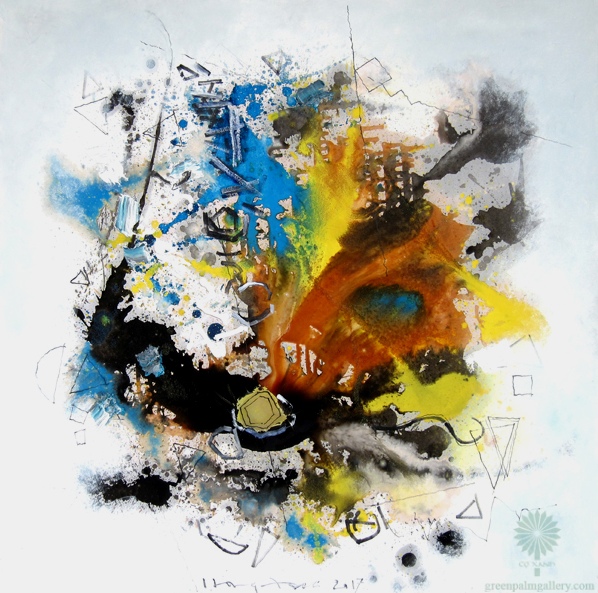 Abstract oil paintings explore expressive lines, geometric forms, and emotionally rich color fields.
Cubism
Cubist art presents subjects using geometric forms rearranged on a single plane, resulting in multifaceted perspectives and distinctive visual effects. Cubist oil paintings fit well in minimalist and artsy environments, emphasizing bold shapes and contours for a unique interior accent.
How much does an oil painting cost?
The value of oil paintings varies by size, materials, level of detail, the artist’s reputation, and the work’s artistic significance.
Decorative oil paintings produced in standardized designs are generally priced from 2 to 10 million VND, ideal for homes, offices, and shops. Pricing depends on canvas size, quality, and technique.
Original oil paintings by established artists or those with collectible value range from several tens to hundreds of millions of VND. Their uniqueness and artistic merit command higher prices, especially for one-of-a-kind works.
How to preserve and maintain oil paintings
Proper care helps oil paintings maintain their vibrancy and prolongs their lifespan.
- Display in dry areas, with stable temperature and humidity.
- Dust surfaces regularly with a soft brush or clean, dry cloth.
- Use bubble wrap or protective materials during transportation.
- Avoid direct sunlight, intense heat, or humid environments.
- Never clean with water, chemicals, or abrasive tools.
Recommended oil paintings at Green Palm Gallery
Green Palm Gallery features a curated collection of oil paintings across various themes, styles, and sizes, catering to diverse decorative needs.
Lotus Season - Ho Huu Thu
“Lotus Season” by Ho Huu Thu (100 × 100 cm) blends abstract expression with representational form. Set in muted tones, the work features a woman gently holding a white lotus bud, celebrating feminine beauty and its harmonious connection with nature.
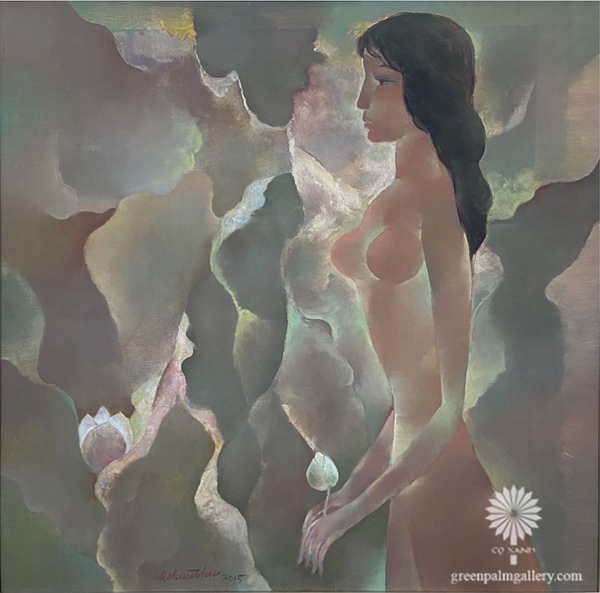 The artwork “Lotus Season” combines abstraction and realism in a balanced composition.
Ha Long Bay - Le Thanh Son
“Ha Long Bay” by Le Thanh Son (95 × 110 cm) captures the iconic limestone cliffs rising above tranquil waters. The blue sky, white clouds, and sailboats evoke Ha Long Bay’s serene and distinctive landscape through harmonious, luminous colors.
Painted in the Impressionist style, the piece uses richly textured color blocks to provide depth and vitality. A small boat and a character clad in red draw attention to the heart of the composition.
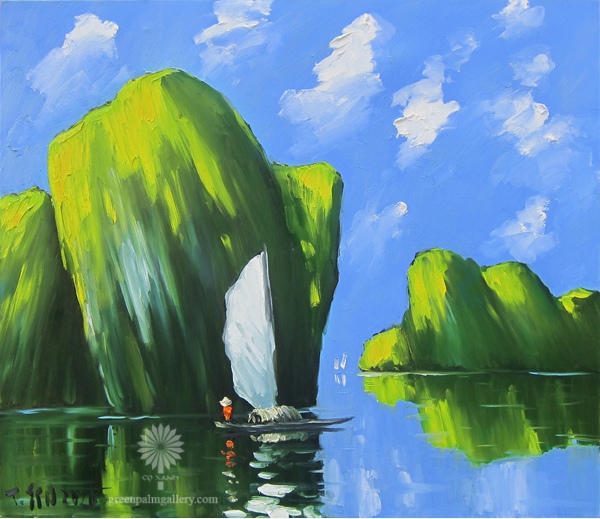 “Ha Long Bay” reimagines limestone cliffs, water, and sails in radiant hues.
Early Morning by Hoan Kiem Lake - Pham Luan
“Early Morning by Hoan Kiem Lake” by Pham Luan (135 × 155 cm) depicts the tranquil morning around the legendary lake. Bright color tones and layered brushwork highlight vibrant orange foliage in the foreground, leading the gaze to the iconic Turtle Tower and still waters, radiating calm and peace.
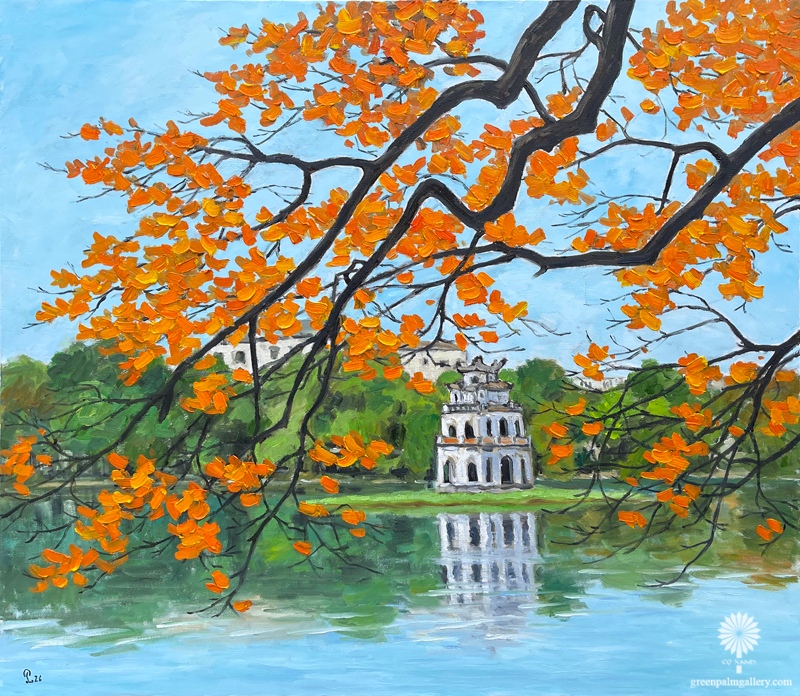 Thap Rua and the lake’s mirror-like surface evoke serenity in Pham Luan’s work.
Happy Season III - Pham Khanh Thanh
Centered on a row of trees, “Happy Season III” by Pham Khanh Thanh (100 × 100 cm) is rendered using refined pointillist technique. Warm shades of yellow, orange, and red enliven the tree canopies, contrasted by fresh green in the background, creating an uplifting, peaceful atmosphere.
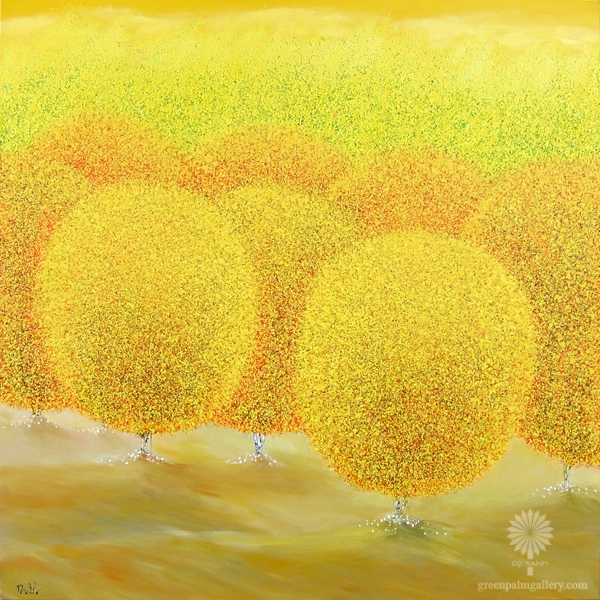 “Happy Season III” utilizes meticulous dots to form vibrant, expressive foliage.
Vietnamese oil painting stands out for its seamless fusion of Western artistry and Asian cultural essence. Each work not only enhances the aesthetic appeal of its space but also adds emotional depth. Green Palm Gallery offers a wide range of high-quality oil paintings to suit your decorating and collecting needs. Contact us today for consultation and to find the artwork that best complements your space.
|
GREEN PALM GALLERY Gallery in Ha Noi: 39 Hang Gai, Ha Noi, Viet Nam
Gallery in HCM City: 49 Mac Thi Buoi, HCM City, Viet Nam
|