

Vietnam oil painting in the flow of national art tradition
Vietnam oil painting has left its imprint over generations, capturing images of people, landscapes, culture, and pivotal historical moments. The genre’s richness in both subject matter and artistic approach has made Vietnam oil painting a favored choice for art appreciation and collection, attracting growing attention both locally and abroad.
The historical development of Vietnam oil painting
The introduction of oil painting in Vietnam stemmed from Western art, gradually evolving into a unique artistic identity through distinct historical phases. Its development was strongly influenced by formal art education, key historical events, and cross-cultural exchanges.
Definition of oil painting
Oil painting refers to works made with pigments bound in drying oils, most popularly linseed oil. Paintings are typically executed on canvas or wood, allowing for the creation of multiple layers, subtle transparencies, and varied surface textures. Slow drying times enable artists to blend colors smoothly, refine lighting effects, and adjust details throughout the creative process. When skillfully executed and properly preserved, oil paintings retain their vibrancy and quality for generations.
Early formation and development (1925 - 1945)
The establishment of the Indochina College of Fine Arts in 1925 marked a turning point for Vietnam oil painting. Students received rigorous training in drawing techniques, perspective, color theory, and creative methods rooted in Western tradition. Vietnamese artists increasingly merged these new skills with indigenous scenery and everyday life. Figures like To Ngoc Van and Tran Van Can, alongside many contemporaries, laid the foundations for modern Vietnamese oil painting.
The era of resistance and postwar recovery (1945 - 1985)
From 1945 onward, popular themes shifted towards resistance, labor, and social life. Soldiers, workers, peasants, and daily scenes became primary sources of inspiration. Oil painting remained a vital medium to record the spirit of the times, as artists captured both people and pivotal events from their own perspectives. Realism came to the fore, though each era saw evolving changes in color palettes, composition, and stylistic choices.
Renewal and integration (1986 to present)
Since 1986, Vietnam oil painting has seen a surge in creative exploration. Contemporary artists have expanded their personal expression, experimenting with diverse international art movements. The growth of galleries, exhibitions, and private collections has linked Vietnamese oil paintings with wider audiences, both domestic and international. Oil remains a leading medium for realism, expressionism, abstraction, and contemporary art.
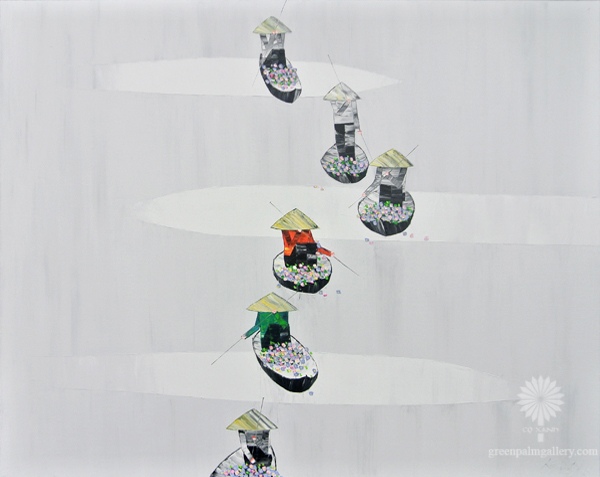
Vietnam oil painting encompasses a broad spectrum of styles, from realism and impressionism to expressionism and abstraction.
Distinctive characteristics of Vietnam oil painting
Vietnam oil painting is widely recognized for its stylistic diversity, attention to themes rooted in Vietnamese life, and its versatile use of painterly techniques.
Unique artistic expression
Vietnamese artists blend Western techniques of composition, perspective, lighting, and color with highly personal creative visions. Styles range from realism and impressionism to expressionism and abstraction. Treatment of form, line, and color is deeply individual: some artists focus on truthful depiction, while others simplify forms or use strong color fields to evoke emotion and thematic resonance.
Cultural and historical depth
Scenes of Vietnamese people, landscapes, and daily life are frequent subjects. From rural villages and ancient streets to ao dai, daily routines, and working life, Vietnam oil painting captures the spirit and evolving character of the nation. History is also a vital wellspring of inspiration, with war, soldiers, labor, and social transformation documented in a range of artistic voices.
Techniques and materials
Vietnamese artists employ a variety of techniques - impasto, glazing, and thin washes - depending on their desired effect. The slow-drying nature of oil enables subtle blending, vivid lighting effects, and depth. Canvas is the primary support, though wood panels and specially-prepared surfaces are also used. The durability of a painting relies on the quality of pigments, priming, artistic technique, and storage environment.
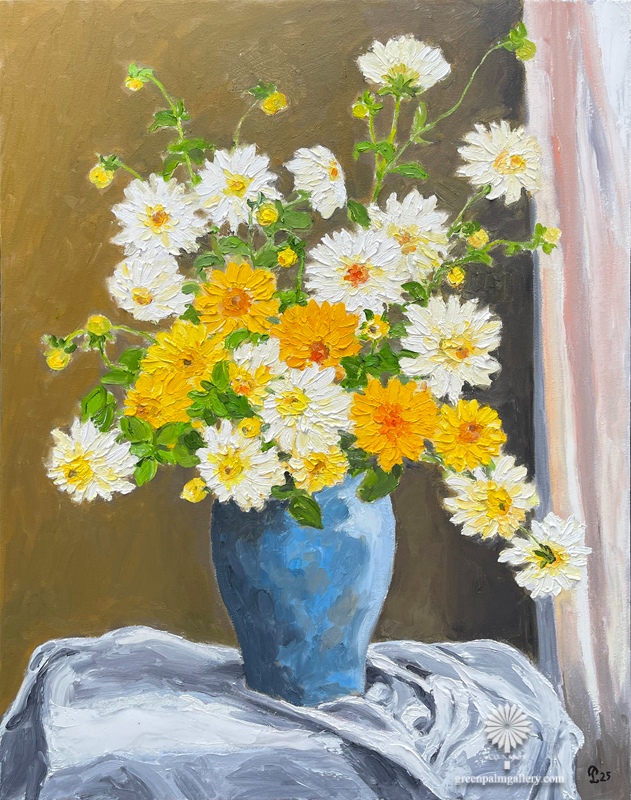
The use of impasto adds dynamic texture and remarkable visual effects to Vietnam oil painting.
Artistic and economic value of Vietnam oil painting
Vietnam oil painting not only reflects the cultural spirit of different eras but also has increasing appeal for art collectors and investors.
Artistic and cultural significance
Many works poignantly depict people, landscapes, customs, and defining historic moments. Through them, images of rural villages, city life, traditional attire, and daily rituals are preserved - contributing to the safeguarding of Vietnam’s cultural heritage. The interplay of color, composition, and style provides varied visual experiences. Exploring diverse works enhances the viewer’s artistic sensibility and personal aesthetic.
Economic value
Vietnam oil painting thrives in the local and international art market - through galleries, exhibitions, auctions, and direct acquisition from the artists. Many Vietnamese artists’ works feature in global auctions, exhibitions, and private collections. Factors influencing value include the artist’s reputation, artistic merit, period, rarity, provenance, and artwork condition.
Prominent Vietnam oil painting artists
The history of Vietnam oil painting is intertwined with notable artists who have each contributed signature styles and remarkable works.
To Ngoc Van (1906 - 1954)
To Ngoc Van, born in 1906 and a 1931 graduate of the Indochina College of Fine Arts, ranks among the most influential figures in modern Vietnamese art. After the August Revolution, he contributed to the resistance movement, education, and continued painting until his passing in 1954. To Ngoc Van’s oil paintings are celebrated for their refined light, color, and form - especially his iconic portrayals of Vietnamese women. After 1945, his subjects centered more on wartime life and human stories. Key works include Girl by the Lily, Two Ladies and a Baby, Woman by the Lotus, Lady by The Three Stars Painting, and Perfume River Boat.
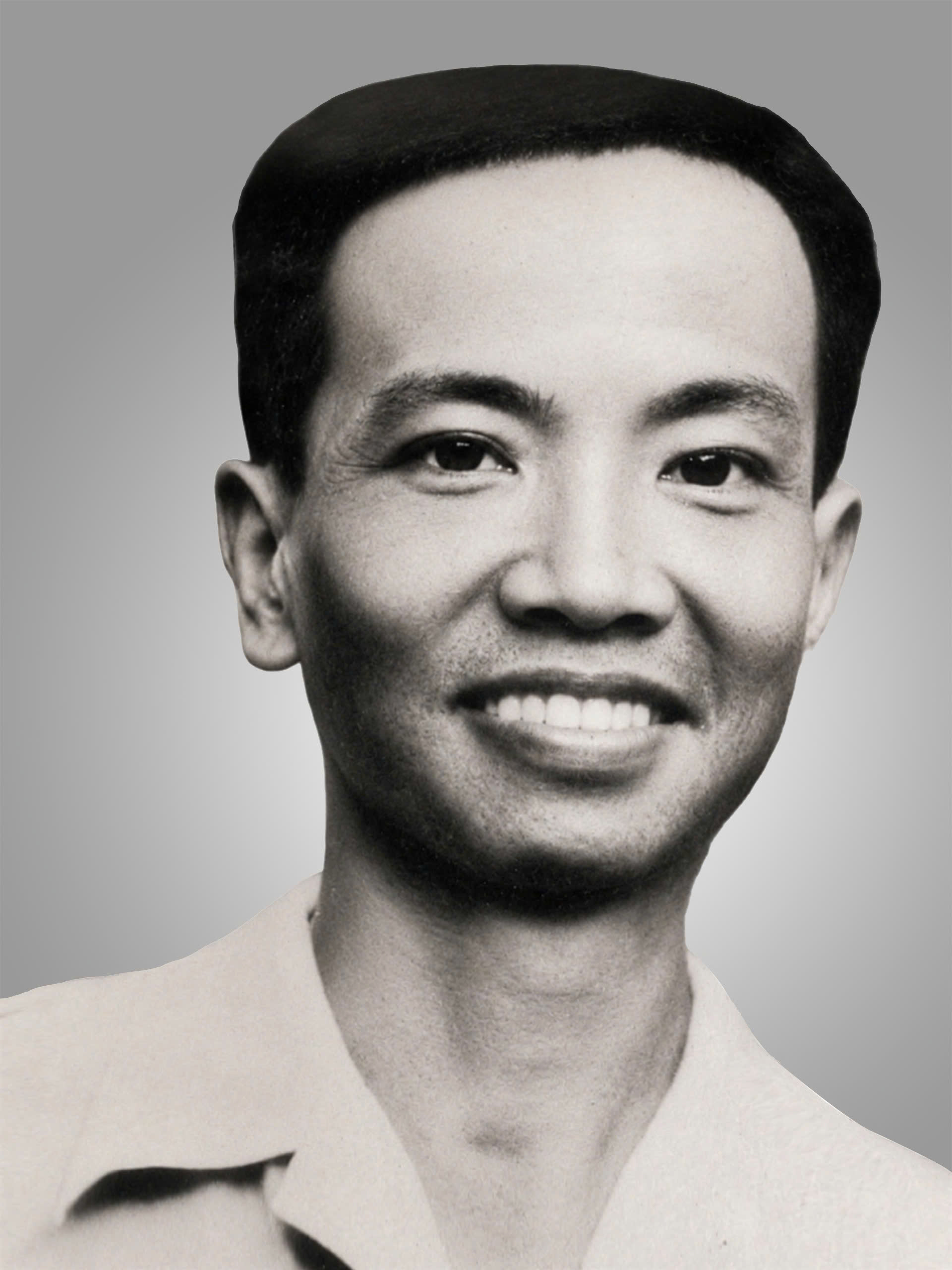
To Ngoc Van is considered one of the most influential painters in the development of modern Vietnamese art
Tran Van Can (1910 - 1994)
Born in Kien An, Hai Phong in 1910, Tran Van Can studied at the Indochina College of Fine Arts, graduating in 1936. Over his career, he worked in multiple mediums including oil, lacquer, silk, and woodcut, while also teaching and managing arts education. Known for his solid draftsmanship and thoughtful compositions, his celebrated oil painting Em Thuy (1943) is a recognized National Treasure. Other notable works include Female Militia by the Sea, Hair Washing, and Watering Rice Fields.
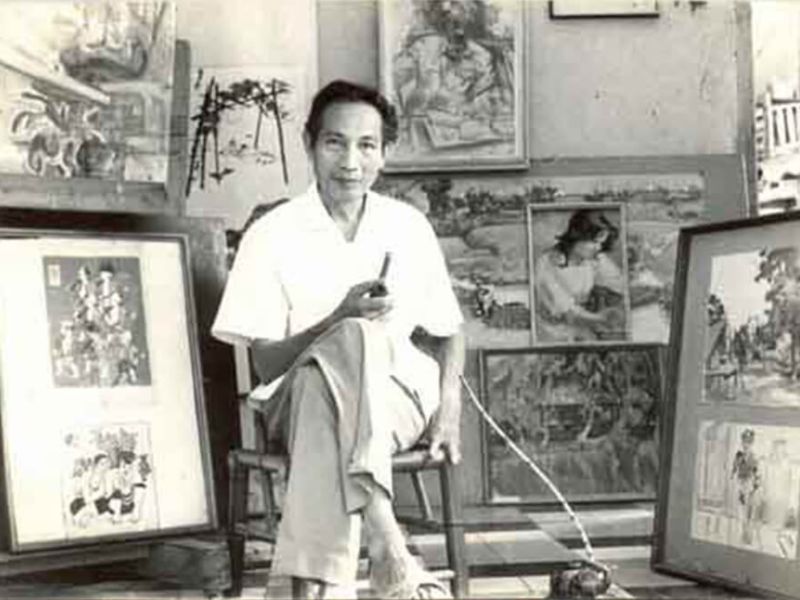
Tran Van Can left a lasting mark on Vietnamese art through painting and a wide range of artistic media
Ho Huu Thu (1940 - 2024)
Born in Nghe An in 1940, Ho Huu Thu graduated from Saigon National College of Fine Arts in 1964. He later dedicated years to painting - primarily in oil and lacquer - while also teaching. Ho Huu Thu often explored human figures, lotus flowers, music, and inner states, distinguished by his use of symbolic imagery and color. Green Palm Gallery has featured his works such as Playing Music, Lotus Season, Enchantment, Full Moon, Echoes of Happiness, and Girl with Lotus.
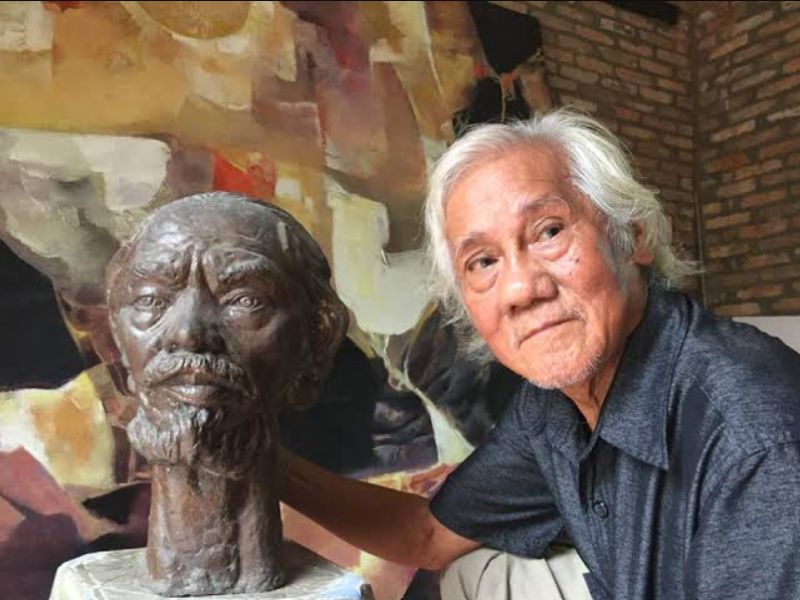
Ho Huu Thu explored human figures, lotus flowers, and inner emotional states throughout many of his artworks.
Hong Viet Dung (1962)
Hong Viet Dung, born in Hanoi in 1962 and a 1984 graduate of Hanoi College of Fine Arts, is a member of the Vietnam Fine Arts Association. He was an original member of the “Group of Five” contemporary artists post-Renewal era. Nature, people, and tranquil landscapes are central themes in his works, which often feature minimalist detail and serene atmospheres. Featured paintings at Green Palm Gallery include Ha Long Bay, Golden Moment, Early Morning in the Palm Forest, Happiness Tree, Peaceful River, and Late Afternoon.
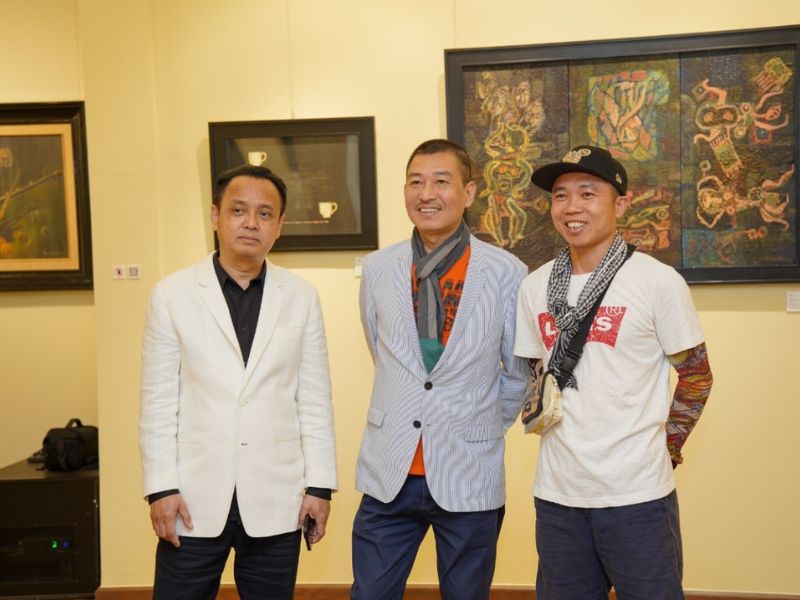
Hong Viet Dung is regarded as a prominent representative of Vietnamese fine arts in the post Doi Moi era
Dao Hai Phong (1965)
Born in Hanoi in 1965, Dao Hai Phong is among the post-Renewal generation of artists. His works have been exhibited in Vietnam and internationally - in Singapore, Japan, South Korea, the UK, and Hong Kong. Dao Hai Phong’s paintings frequently depict landscapes, rural villages, water surfaces, trees, and architecture. He is noted for bold color fields and clear forms, with standout works such as Old Place, Green Mist, Pink Spring, Autumn Night, Crescent Moon, Ripe Season, and Blue Peace.
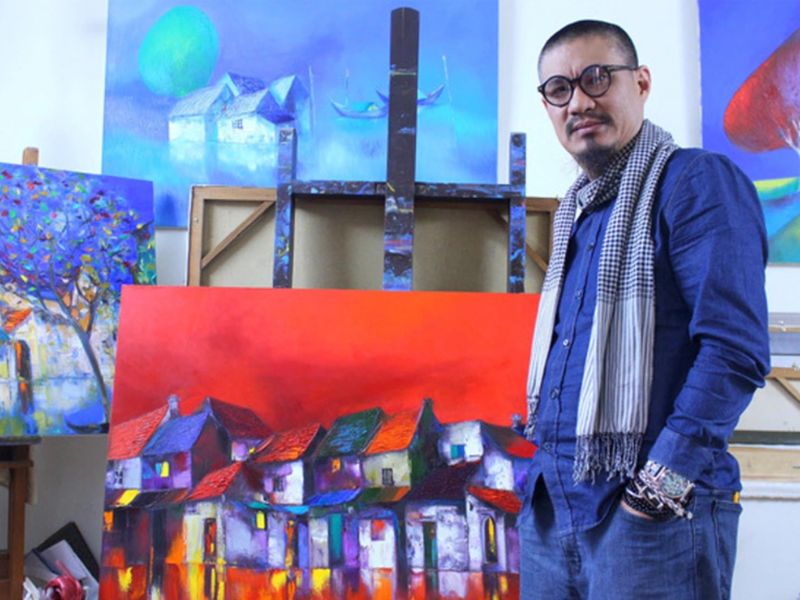 Dao Hai Phong is known for his distinctive use of bold color fields depicting rural landscapes, waterways, and architectural forms.
Nguyen Hung Son (1966)
Born in Ha Dong in 1966, Nguyen Hung Son pursued in-depth art studies, earning a degree from Hanoi University of Fine Arts in 1999 and a master’s in 2006, with exhibitions both locally and abroad. Distinct from other landscape-focused artists, he centralizes the human figure and societal issues, often employing symbolic imagery to convey meaning. Prominent oil paintings include Magic Trick, Red Cross, Stock Exchange II, and The Dictator.
Dang Van Quynh (1982)
Dang Van Quynh, born in Hanoi in 1982, graduated from Hanoi College of Industrial Fine Arts in 2007 and is a member of the Vietnam Fine Arts Association, with works represented in collections domestically and overseas. Old quarters, architecture, and urban rhythms are recurring themes. Hanoi and Hoi An feature in his vivid depictions of streets, alleys, shops, and local life. Outstanding paintings include Old Shutters, Flower Alley, Sunny Street, Street Vendor, Hoi An Summer, Rainy Day, and Silent Street.
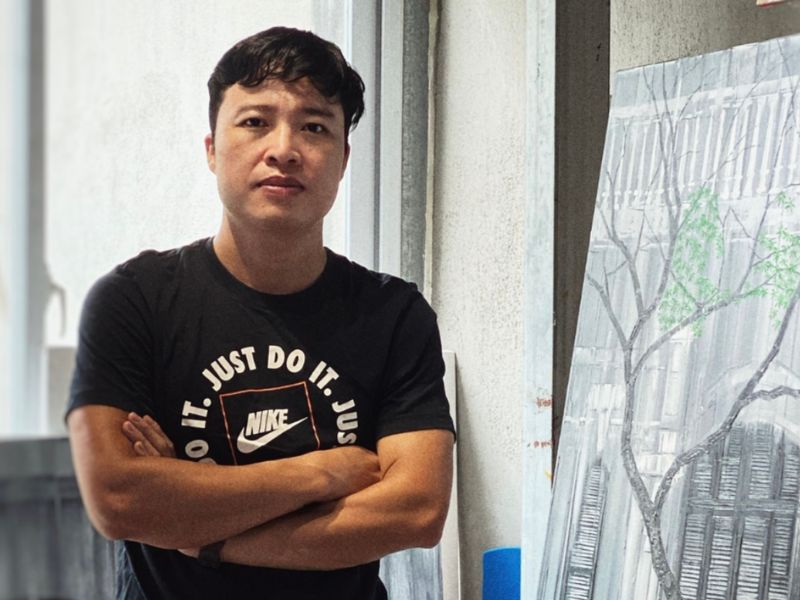
Old town life is a recurring source of inspiration for Dang Van Quynh.
Selecting and preserving oil paintings in Vietnam
Making informed choices when purchasing and preserving artwork is key to maximizing display aesthetics and minimizing the impact of Vietnam’s challenging climate.
Recommendations for selecting and collecting Vietnam oil painting
For decorative purposes, the painting’s size, palette, and subject should harmonize with the space and interior design. Collectors should pay attention to the artist’s reputation, period, style, and the current condition of the painting. Clear provenance is crucial for high-value acquisitions. Verifying signatures, dates, materials, and obtaining authentication from reputable galleries helps minimize risks in purchasing.
Guidelines for preserving oil paintings in Vietnam
Vietnam’s humid and tropical climate - especially the damp weather in the North - can encourage mold growth on canvas and damage wooden frames. Paintings should be hung in airy locations, away from heat sources, damp walls, and direct sunlight. Avoid using cleaning sprays or damp cloths on the paint surface during display. At any sign of peeling, cracking, or loose canvas, owners should consult professional conservators to assess and restore the artwork properly.
Vietnam oil painting represents a rich tapestry of culture, history, and evolving artistic sensibilities across generations of artists. Each work presents unique qualities in theme, technique, and collectible value. Discover the collection at Green Palm Gallery to learn more about Vietnamese artists and find the perfect work for your appreciation.
|
GREEN PALM GALLERY Gallery in Ha Noi: 39 Hang Gai, Ha Noi, Viet Nam
Gallery in HCM City: 49 Mac Thi Buoi, HCM City, Viet Nam
|