

Lacquer material: Composition, characteristics, and artistic value
What is lacquer material composed of? The distinctive qualities of lacquer material have shaped countless Vietnamese paintings and fine art handicrafts. Each component plays a vital role in contributing to the surface, color palette, and unique effects of the artwork. Understanding lacquer material is fundamental to appreciating the full artistic value and meticulous techniques behind this time-honored tradition.
What is lacquer material?
Lacquer material is a refined blend of natural lacquer sap, combined with elements such as gold leaf, silver leaf, eggshell, mother-of-pearl, and mineral pigments. During the creative process, these materials are meticulously layered, inlaid, and polished through multiple stages, resulting in the signature depth, luminosity, and vibrant color effects of lacquer paintings.
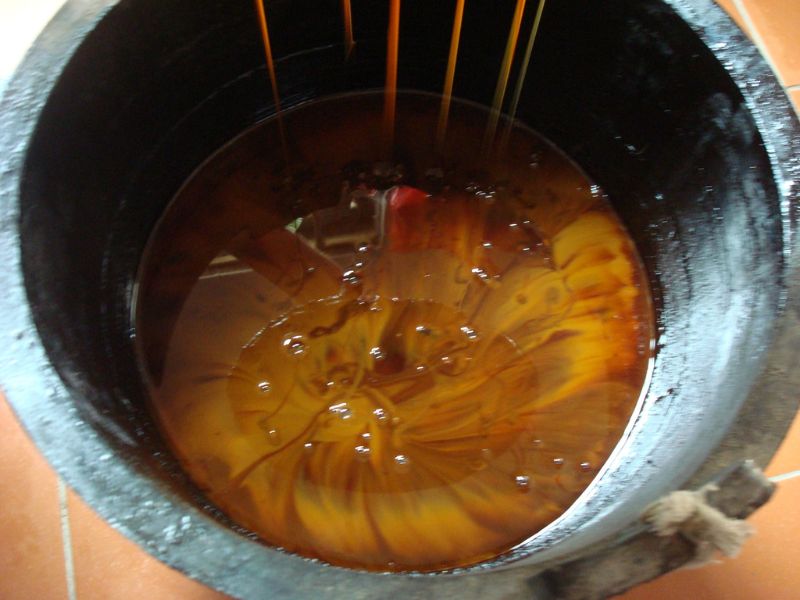
Traditional lacquer sap, or "son ta," is the decisive factor in determining the quality and longevity of lacquer artworks.
Unlike industrial paints that merely coat the surface, the lacquer process involves numerous layers of lacquer and natural materials. Each layer is individually treated and gradually polished, revealing underlying details that give Vietnamese lacquer its distinct character - both in painting and decorative crafts.
The origins and evolution of Vietnamese lacquer material
Lacquer material has a rich history, intimately tied to the development of traditional craft and Vietnamese visual arts. Over centuries, craftsmanship techniques have been continuously refined, expanding their scope from daily life objects to highly valued art forms.
The origin of lacquer craftsmanship
Lacquer craft in Vietnam dates back thousands of years, as evidenced by artifacts unearthed from Dong Son boat graves. Early craftsmen harvested lacquer tree sap to coat tools, weapons, and worship objects, enhancing their durability, waterproofing, and resistance to insects.
Gradually, lacquer techniques evolved beyond utility, becoming central to decorative arts and painting. Artisans began combining lacquer with gold leaf, silver leaf, eggshell, mother-of-pearl, and other materials to create objects of exquisite beauty - establishing the foundation for traditional Vietnamese lacquer art.
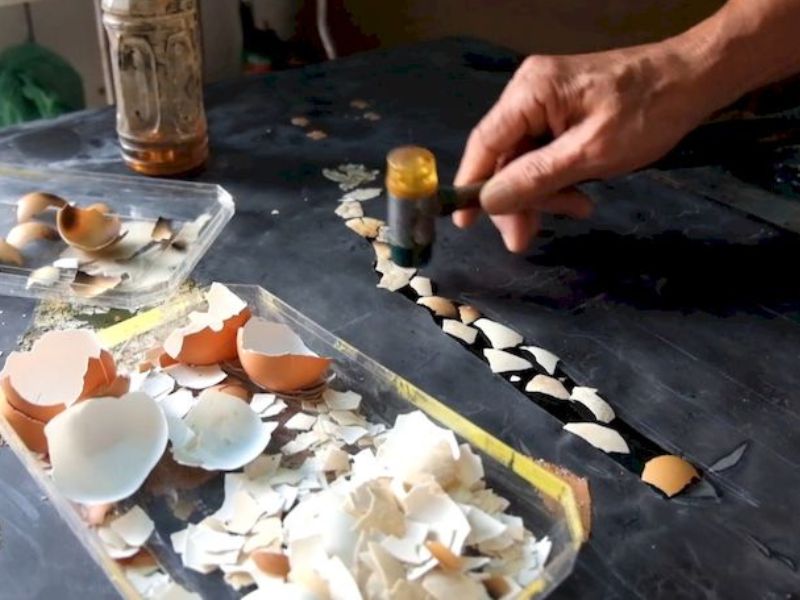
Eggshell inlays contribute delicate, natural white contrasts to traditional lacquer works.
The development of lacquer in modern art
In the early 20th century, artists from the École des Beaux-Arts de l’Indochine (Indochina College of Fine Arts) reimagined traditional lacquer techniques, transforming them into a distinctive painterly medium. The fusion of time-honored craftsmanship with contemporary creativity brought Vietnamese lacquer painting to new heights.
Today, lacquer material is widely used in interior design, luxury decorative objects, and fine art gifts. Thanks to innovative designs and technical advances, lacquer products maintain their traditional spirit while meeting the aesthetic and practical needs of modern life.
Forms of lacquer art
Lacquer material is featured in diverse artistic forms, from lacquer paintings and sculpture to contemporary installation art. Each form explores its own language and technical approach, offering unique aesthetic value.
Lacquer painting
Lacquer painting employs natural lacquer as the primary medium, with artists layering and polishing the surface to reveal images and colors according to artistic intent. Common embellishments include gold or silver leaf, eggshell, and mother-of-pearl.
The hallmark of lacquer paintings lies in their rich, deep tones, high gloss, and exceptional durability. These paintings are pivotal in the works of renowned Vietnamese artists and remain central to modern Vietnamese art.
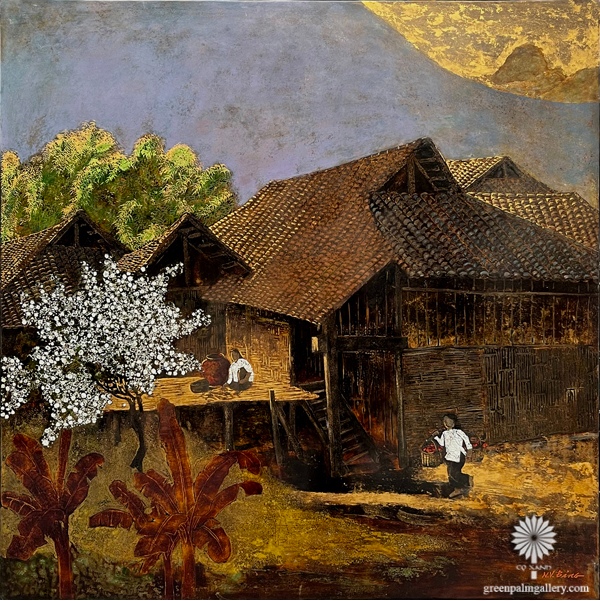
Lacquer painting retains vibrant, enduring colors thanks to multi-layered workmanship and meticulous polishing.
Lacquer sculpture & statuary
Lacquer techniques also extend to altar figures, decorative statues, and large-scale sculpture. After the form is completed, multiple layers of natural lacquer are applied to protect the core and enhance the piece’s longevity.
Depending on the design, artworks may be adorned with gold or silver leaf, or inlays of other decorative elements. The final lacquer layers stabilize the surface against environmental effects and accentuate carved details.
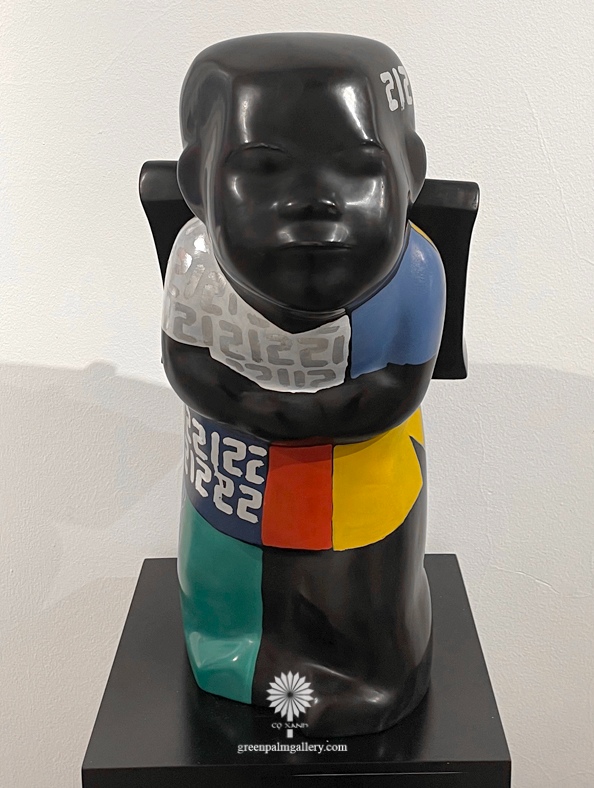
Lacquered statues are finished with multiple layers, ensuring both lasting durability and enduring beauty.
Installation art
In contemporary practice, installation art invites viewers to physically interact with objects arranged in a particular space. Lacquer material is reimagined as panels, forms, or objects, often integrated with light, sound, metal framing, wood, and a variety of other materials, creating a unified aesthetic experience.
This approach liberates lacquer from the confines of paintings and traditional crafts, allowing viewers to encounter lacquered surfaces from multiple perspectives and appreciate how color and sheen shift under different lighting conditions.
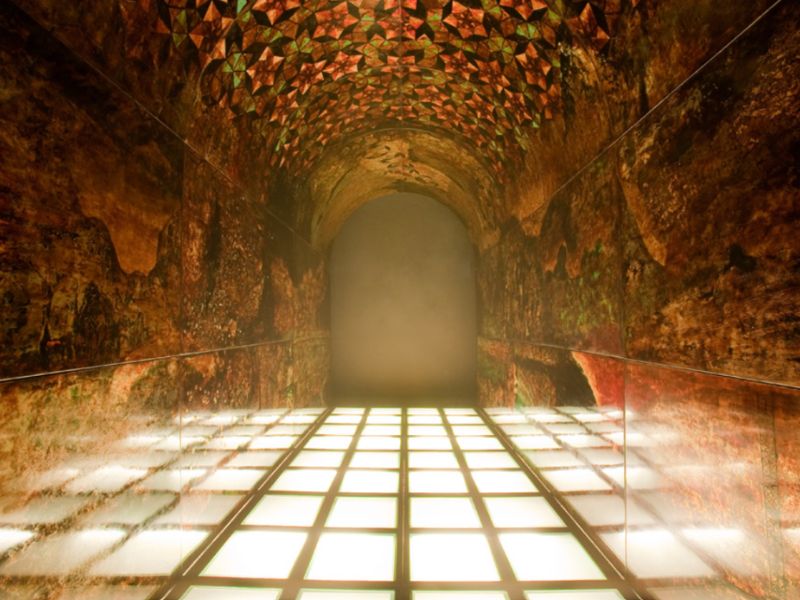
Lacquer in installation art allows viewers to experience its unique surface and color effects under varying lighting.
Preserving lacquer artworks
Lacquer art is inherently durable, yet proper care is essential to maintain its color, gloss, and surface integrity over time. Here are some recommendations to help preserve lacquer items:
- Gently dust the surface with a soft cotton or microfiber cloth. For deeper cleaning, use a damp cloth with warm water, then dry immediately.
- Store artworks in dry, airy spaces, avoiding excessive humidity or drastic temperature changes.
- Keep lacquer pieces out of direct sunlight for extended periods to prevent color fading or damage.
- Do not use alcohol, solvents, or abrasive cleaners on lacquer surfaces.
- Avoid exposing works to hot water, high heat sources, or objects with extreme temperatures.
- Do not use sharp objects or metal scouring pads to avoid scratching or dulling the lacquer finish.
Through centuries of evolution, lacquer material remains a treasured source of inspiration for Vietnamese artists, frequently featured in both traditional and contemporary works. To experience the exquisite artistry of lacquer paintings firsthand, we invite you to visit the exhibition space at Green Palm Gallery.
|
GREEN PALM GALLERY Gallery in Ha Noi: 39 Hang Gai, Ha Noi, Viet Nam
Gallery in HCM City: 49 Mac Thi Buoi, HCM City, Viet Nam
|